- Home
- News
- A DAY IN THE KNIFE: “Proud to be a Surgeon” with Richard Clough
A DAY IN THE KNIFE: “Proud to be a Surgeon” with Richard Clough
28 April 2026
![]()
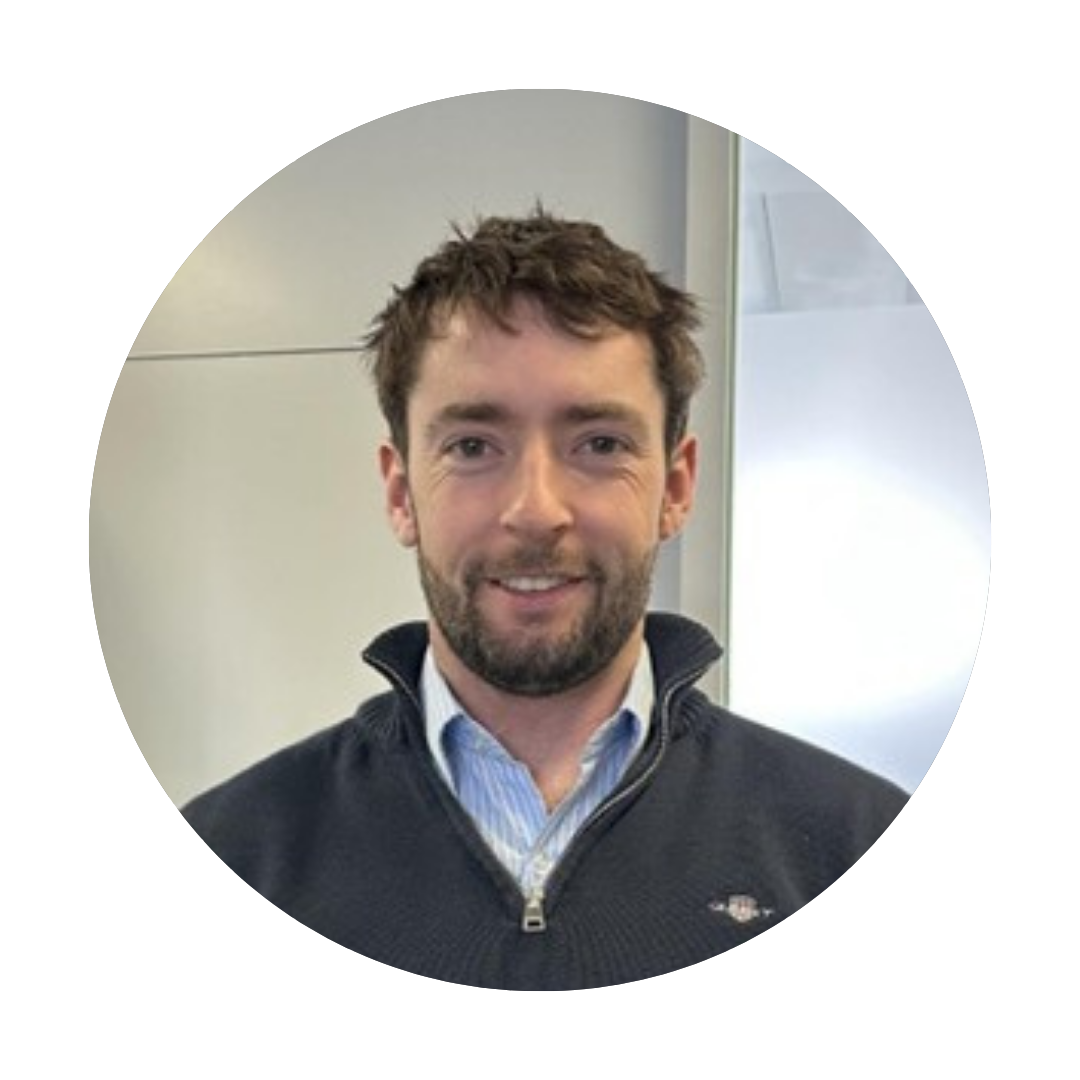 Richard Clough, 32, plastic surgery trainee from Derbyshire, training at ST6 level in the North West. Currently doing a PhD in Robotic Microsurgery at the Royal Marsden in London.
Richard’s decision to pursue medicine was shaped during his school years through early exposure to different professions and environments. He tells us of his first impressions;
“I first became interested in medicine when I was 16 during my GCSEs. I did work experience first at a law firm and an accountant, and then a week's shadowing at Royal Derby Hospital. I remember standing inside the hospital’s main lobby for the first time. Compared to the quiet offices I'd been in prior, there was this rush of activity, lots of movement. It was frantic, patients and hospital staff going in different directions, but all of it felt very relevant and important. I remember feeling like this was somewhere where I wanted to be and that I belonged. From that moment onwards, everything that I did for the rest of my time in school was focused on moving towards becoming a doctor. I did A levels in sciences and maths and commenced my studies at Newcastle University in 2012. I’ve never really looked back or thought twice at any stage.”
As Richard progressed into surgical training, he became aware of the psychological and professional pressures associated with the role. He continues;
“Being a surgeon is a demanding and humbling career. There are certain challenges that can be difficult for others to understand and an enormous weight of responsibility. Almost every day I come back from work and reflect on challenging decisions and whether I could have made them differently. This could be a clinical action, the technical aspect of an operation, or an interaction with a colleague or a patient. I think that these constant challenges are what makes this career immensely rewarding as there is endless depth for personal growth, and we must grow to provide the best care possible for our patients. However, these challenges are also tiring and something we don’t always talk openly enough about. I’ve got great colleagues, extraordinary colleagues, who’ve become burned out by the constant attrition of these challenges. It’s something that we need to do more as a profession - to support one another by talking about the difficulties that we face more openly and constructively.”
Recognising the importance of support systems within medicine, Richard has taken on a leadership role to improve trainee wellbeing and career development. “I’m the President of the Plastic Surgery Trainees Association (PLASTA) and we have developed a mentorship scheme where we encourage more junior trainees or medical students to develop mentorship relationships with people who are more senior to them in training. It’s to give them an outlet and someone to talk to about these difficulties, as well as to provide them guidance on their careers and the right direction to take.”
Richard’s daily routine highlights the intensity and high demands of surgical training, particularly in trauma settings. He says;
“A typical day on call would involve getting up at around 6:00 and working out. I would get to work ready to take a handover and do the ward round at 8am, typically lasting between two to three hours. The afternoon would be spent seeing new referrals and operating, usually on trauma cases which may be patients who were admitted the night before, although sometimes they’ve been waiting many days for an operation. I will hand over with the night doctor and often there’ll be another operating case that will finish at around 9 or 10 in the evening and I’ll go home at that stage. Sometimes patients come in as emergencies late at night, requiring you to come in from home and operate throughout the night. Once early on in my training, someone accidentally detached their hand at the wrist using a piece of machinery. We spent most of the night until the early hours of the morning reattaching the hand and connecting each of the individual anatomical structures - all the nerves, arteries and tendons to try to give them a functional hand again.”
Richard also reflects on the broader systemic issues affecting healthcare delivery and surgical training in the UK, including workload, staffing pressures, and patient expectations. He says;
“Our generation of surgeons is working less than previous generations on paper, with the European Working Time Directive limiting us to 48 hours in hospital a week. But there’s a lot outside of that which is taxing. In our survey, trainees reported working on average an extra eight unpaid hours every single week, usually on portfolio-related activities. In plastic surgery, demand is very high. We regularly see complex cases like severe dog bite injuries needing surgery and reconstruction. One of the most difficult parts of the jobs is feeling like you’ve let down patients who are frustrated by delays in care and don’t always realise these are due to system pressures rather than individual decisions. I had a patient who waited over a year for removal of a benign skin lesion. When told they were likely to wait another six months, they became upset and directed that anger at myself and other staff, not realising it was beyond our control.”
Despite the challenges, Richard finds deep meaning in patient care, long-term outcomes, and the relationships built within the profession. He concludes;
“The number one thing I enjoy about my work is meeting a patient on what is sometimes the worst day of their life and helping them through it. Often this is by performing surgery to treat cancer or an injury. Then it’s seeing them again when they come back to the clinic weeks or months later. Sometimes it feels like greeting an old friend. It is a privilege to have been with them on that worst day and come out on the other side with them, and knowing that you’ve played a part is enormously fulfilling. Particularly with plastic surgery, where the results of what we do are very visible. When someone is worried about the surgery they’re going to have and then later on they are really pleased with the way it has healed, that is an incredible feeling.
“Another thing is my colleagues. The experiences that we share, bond us in a way that few other things can. This career has given me friendships with people up and down this country and others. Friends for life. People who I’m deeply in awe of. People whom I know that if I can be half the surgeon that they are then I must be doing something right. When I see how compassionate and competent my colleagues are going about their jobs...when I see the younger generation of more junior trainees and medical students coming up behind me - what they’re able to achieve and how talented they are... it’s when I realise I’m part of this group of people… this makes me immensely proud to be a surgeon.”
Read other news articles