- Home
- News
- It's Time to get Training Back on Track
It's Time to get Training Back on Track
08 January 2026
![]()
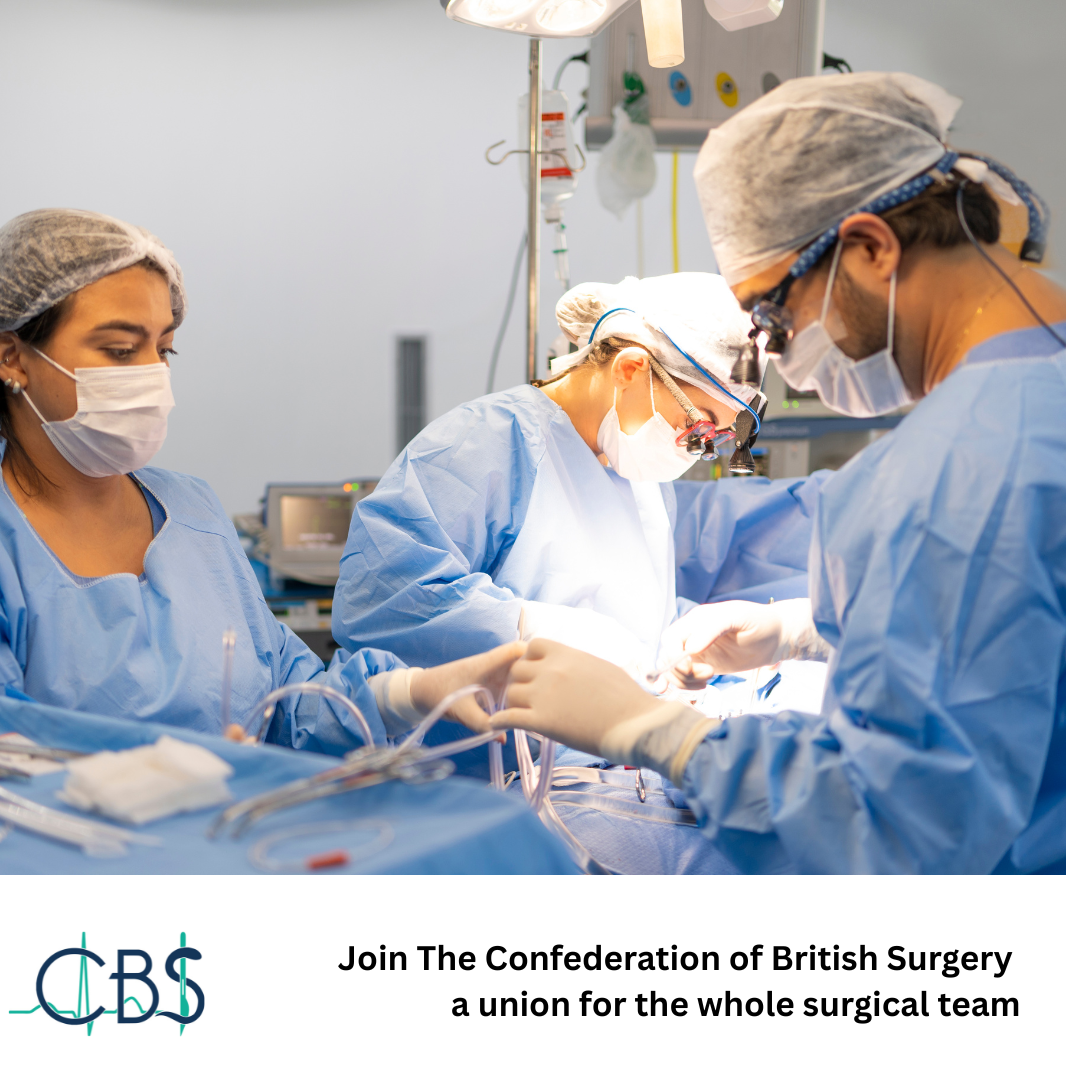 Surgical training in the UK is in trouble, not because of unwillingness to teach, or lack of motivation, but because surgical training and education is simply not protected, or even properly considered, within current job planning structures.
Following the disbanding and reorganisation of national structures, which offered some sort of protection for education, we seem to have lost focus of the most important factor in the future of surgery - how to train the surgeons. Postgraduate surgical training sits within a system that is in flux, with senior educational roles - for example, Training Programme Directors - only secure until March 2027. What happens then? This lack of clear direction and provision labels training as optional, yet the reality is that providing training is core work, and the workload it creates must be recognised and protected.
Of course, training exists on paper, but the reality of it is vastly different. In practice, it is under-resourced, with the resources that are in place pushed to their limits. Training Programme Directors are allocated as little as two hours a week to train around 40 trainees - how could this possibly work in practice? It doesn’t; the workload associated with training far exceeds the time that is formally recognised, leaving educators frustrated and unable to deliver the standard of training trainees need within the time and funding provided. At the same time, consultants’ Supporting Professional Activities (SPAs) are being reduced, leaving just the bare minimum required to revalidate. When resources, including time, are minimal, training begins to feel optional - or something expected to happen beyond the allocation of time. The question then is unavoidable: how does the system expect trainees to actually become trained?
We stress that this situation is not a failure of individual educators or trainees. As always, the problem is structural, and structural issues require structural solutions. The system must work to genuinely value training, recognising it as core work, with time and resources built into job planning. Where repeated restructuring has diluted what is truly important, rendering remaining structures flimsy, any initiatives stall and collapse more easily. As key individuals leave, programme delivery falters, and there becomes a lack of continuity in training initiatives.
Consultant vascular surgeon, CBS co-opted member, and previous program director for vascular surgical training in the West Midlands, Mr. Andrew Garnham, says:
“Postgraduate surgical education must be professionalised and recognised as a career pathway – at the moment, training is so undervalued that we are almost paying lip service to it. There must be realistic SPA time allocated for routine training and supervision that accurately reflects the actual workload involved, alongside properly contracted time for significant educational leadership roles. A full-time consultant contract must include meaningful SPAs, not just clinical delivery. We are at risk of losing institutional knowledge and experienced educators by failing to properly recognise and resource this work. Education is essential to patient safety and the workforce and should not be treated as an optional extra. We must work to preserve institutional knowledge and retain experienced educators by valuing education and training, and embedding it within both job planning and contracting structures.”
Read other news articles