- Home
- News
- A DAY IN THE KNIFE: “I’m still learning to balance myself”
A DAY IN THE KNIFE: “I’m still learning to balance myself”
07 September 2026
![]()
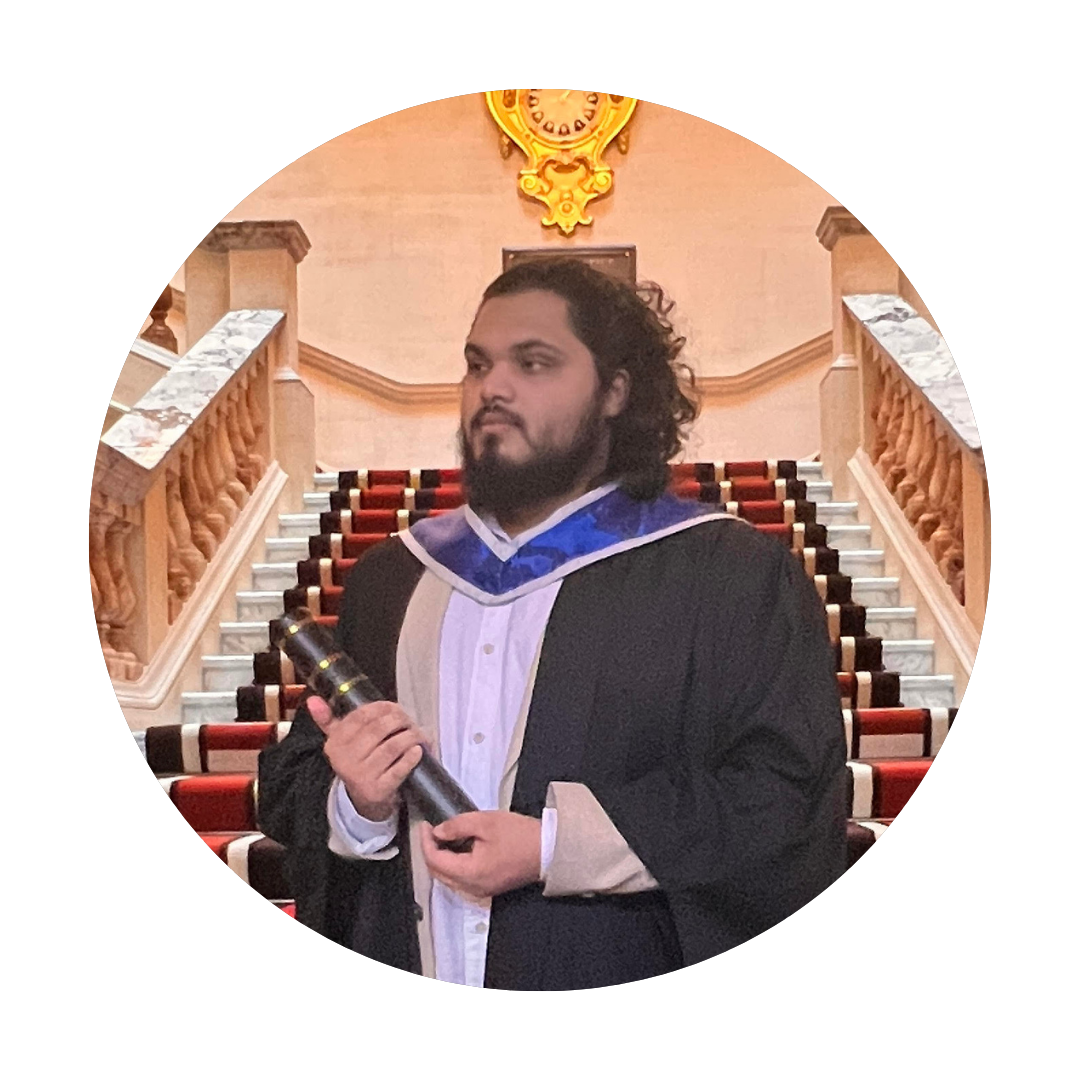 Talhah Bin Islam, 24, from London, married, GEM 2 medical student at the University of Nottingham, and a member of the CBS Student Committe, explains how he got started in his career;
“I’ve always wanted to get involved in medicine. A lot of my inspiration came from family and from what I saw growing up. My dad was the biggest influence, visiting clinics with him, seeing how he interacted with patients and colleagues. Even through my own experiences, that admiration just kept growing. What really stood out is how patients aren’t treated as just patients, but as people. That combination of science, responsibility and human connection is ultimately what inspired me most.
“Nottingham University appealed to me because it offered a dedicated Graduate Entry Medicine pathway and the opportunity to study alongside people coming into medicine from very different academic and professional backgrounds. Since starting, one of the things I’ve appreciated most has been that sense of community. The course is demanding, but there is very much a feeling that you are progressing through it together.
Talhah continues on his progress;
“My route is fairly unconventional. I’m studying Graduate Entry Medicine, an accelerated four-year medical degree for people who already hold a degree, rather than the standard five- or six-year undergraduate route. There were quite a few misconceptions at first about whether the shorter course meant missing parts of the curriculum, but it is really the same core medical education delivered at a much faster pace.
“The course is very condensed, so a lot is thrown at you straight away. There is definitely an adjustment period, particularly when learning how to balance teaching, independent study and life outside medicine. What made a huge difference was working collaboratively with my peers and supporting one another. Gradually, something that initially felt overwhelming became much more manageable
“There have definitely been moments when the workload felt overwhelming, particularly around examinations. One thing medicine has taught me is the importance of responding to pressure with structure rather than panic. We came together, made a plan and worked through things systematically. Seeing that pressure gradually turn into progress was a valuable lesson in itself.
Talhah expands on experiences that have had an impact;
“One experience that stayed with me involved an older patient facing the possibility of life-changing surgery. What affected me most was not simply the clinical decision-making, but watching how the doctor communicated something potentially devastating with compassion and honesty. I saw how the team supported the patient not only clinically but emotionally as he processed what this could mean for his life. Experiences like that remind you that medicine is not simply about treating disease; sometimes you are meeting someone during one of the most difficult moments of their life.
“One of the biggest surprises has been how many opportunities medicine has opened up beyond the formal curriculum. I’ve had opportunities to present academic work at conferences alongside doctors and surgeons, contribute to research and innovation projects, and become involved in medical and surgical organisations. As an early-stage medical student, I didn’t necessarily expect those doors to open so quickly, so those experiences have definitely been highlights.
What Talhah would wish for those following in his footsteps;
“I would love to see even more structured early exposure and mentorship for medical students who are interested in surgery. At the beginning of medical school, it can be difficult to understand what different surgical careers genuinely involve, how to explore them responsibly and where to find mentorship. Creating accessible opportunities for students to learn from surgeons and trainees early on could help people make much more informed decisions about their future.
“Long term, I’m particularly interested in surgery and neuroscience, with neurosurgery being an area I’m keen to explore further. I’m especially drawn to neurotrauma, surgical innovation and the question of how technology can improve care and training, including in settings where specialist resources are limited. I’m still early in medical school, so I want to remain open-minded clinically, but I would like research, innovation, education and service to remain part of whatever career I ultimately pursue.
Talhah concludes;
“Some advice I would give to someone considering the same career would be, first, explore medicine properly and make sure it is genuinely what you want, because even at an early stage the course asks a great deal of you. Second, build a strong support network from peers, mentors, family and people you trust. Third, learn to prioritise. There are extraordinary opportunities available, but you cannot pursue every one of them. You have to protect your academic foundations while still developing outside the curriculum. I’m still learning to balance myself, but I think that is part of becoming a good medical student and, eventually, a good doctor.”
Read other news articles